AS SEEN ON
FOR EXPERIENCED PROFESSIONALS WHO are tired of nerves getting in the way
Speaking at work shouldn't take this much out of you.
Learn how to handle the nerves and the situations that throw you, so that meetings, presentations and being put on the spot take up less of your working life.


You know what you want to say. Then it's your turn to speak.
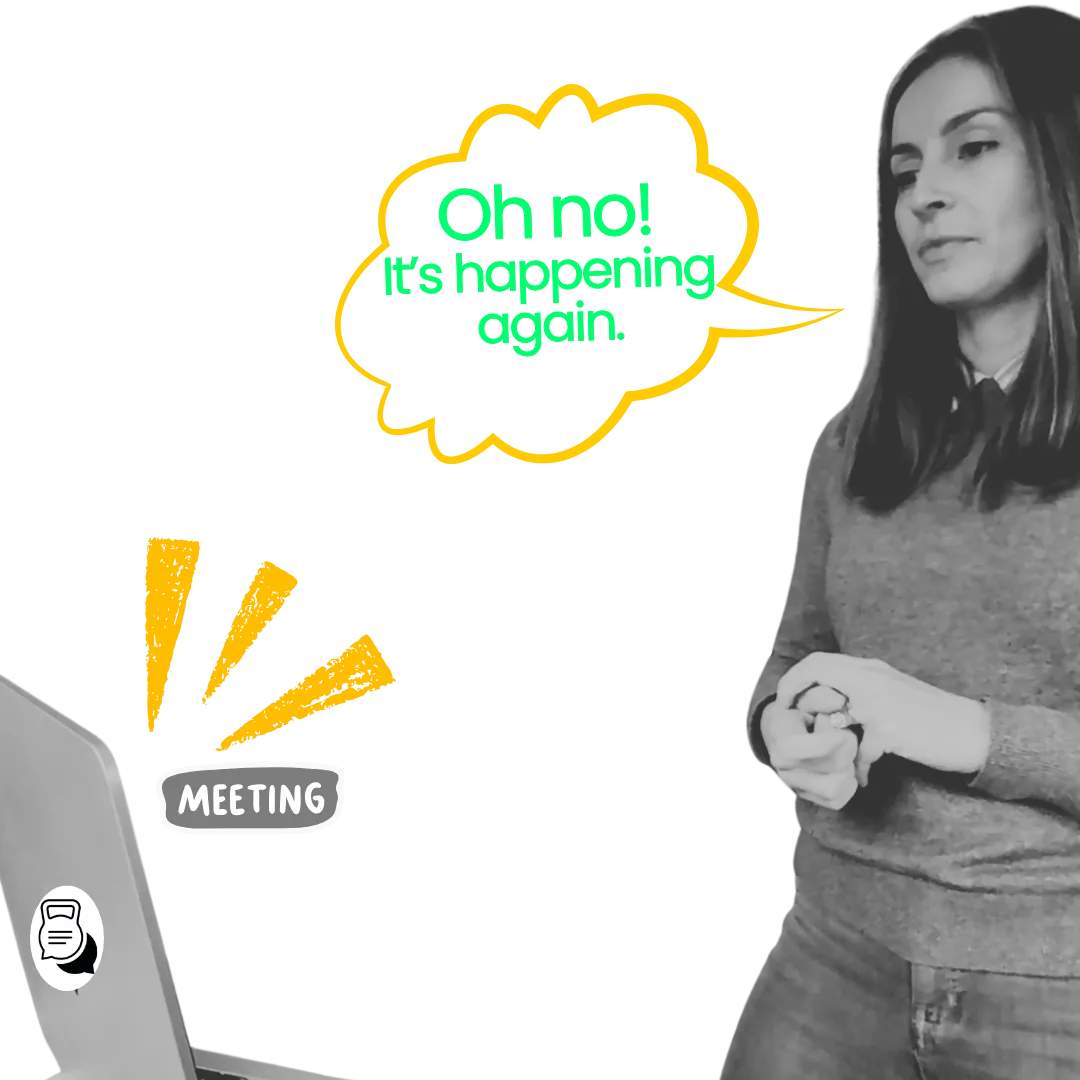
Your heart starts racing. Your breathing changes. Maybe your face flushes and you can feel your voice getting shaky.
Now, instead of simply focusing on what you want to say, part of your brain is busy with:
Can everyone see I’m nervous?
Why am I rushing so much?
God, why is this happening again?
Why can’t I just do this?
For some people, the worry and dread start days beforehand - rehearsing conversations, over-preparing for fairly standard meetings, sleeping poorly the night before, or repeatedly going back over the meeting in their head when they’d really rather be thinking about something else.
And afterwards, there’s normally a harsh replay around what you should have said, and how embarrassing it is that this keeps happening to you.
The meeting might be fairly standard, but what happens around it can feel
anything but.
Because nobody talks about this at work, you start wondering if the problem is you...
1.
YOU THINK YOU'RE
THE ONLY ONE
Everyone else seems to be getting on with it. Colleagues speak up in meetings. Friends talk about presentations like they’re no big deal.
2.
How am I still like this at this stage of my career?
You’ve worked hard to get where you are. So the fact that this still happens can feel deeply embarrassing and completely at odds with how capable you are in every other part of your job.
3.
MAYBE THIS IS JUST WHO I AM
After a while, a more worrying thought starts to creep in. Maybe you’re always going to be the nervous one. Maybe you’ll keep holding back in meetings, avoiding the roles that involve more visibility, or talking yourself out of opportunities because you know there’ll be more speaking.
What if speaking well and handling the pressure of speaking are two different skills?
I know, because I learned this the hard way.
I worked in communications and had always been a fairly confident speaker. When I started going blank out of nowhere during Covid, I assumed I was just out of practice.
So I did what I’d always done: prepared more, rehearsed more and worked harder on my delivery.
But the more I tried to fix it, the worse it became.
I couldn’t understand it. I knew how to communicate - this was my job! So why had speaking all of a sudden become harder and harder?
Eventually, I realised I was trying to solve the wrong part of the problem.
I didn’t just need to work on what I was saying. I needed to learn how to handle what was happening in my mind and body when I felt under pressure.
"Learning the science behind my fear, along with the mindfulness practices, has been life-changing for me."
-July 2026 Participant
Introducing...
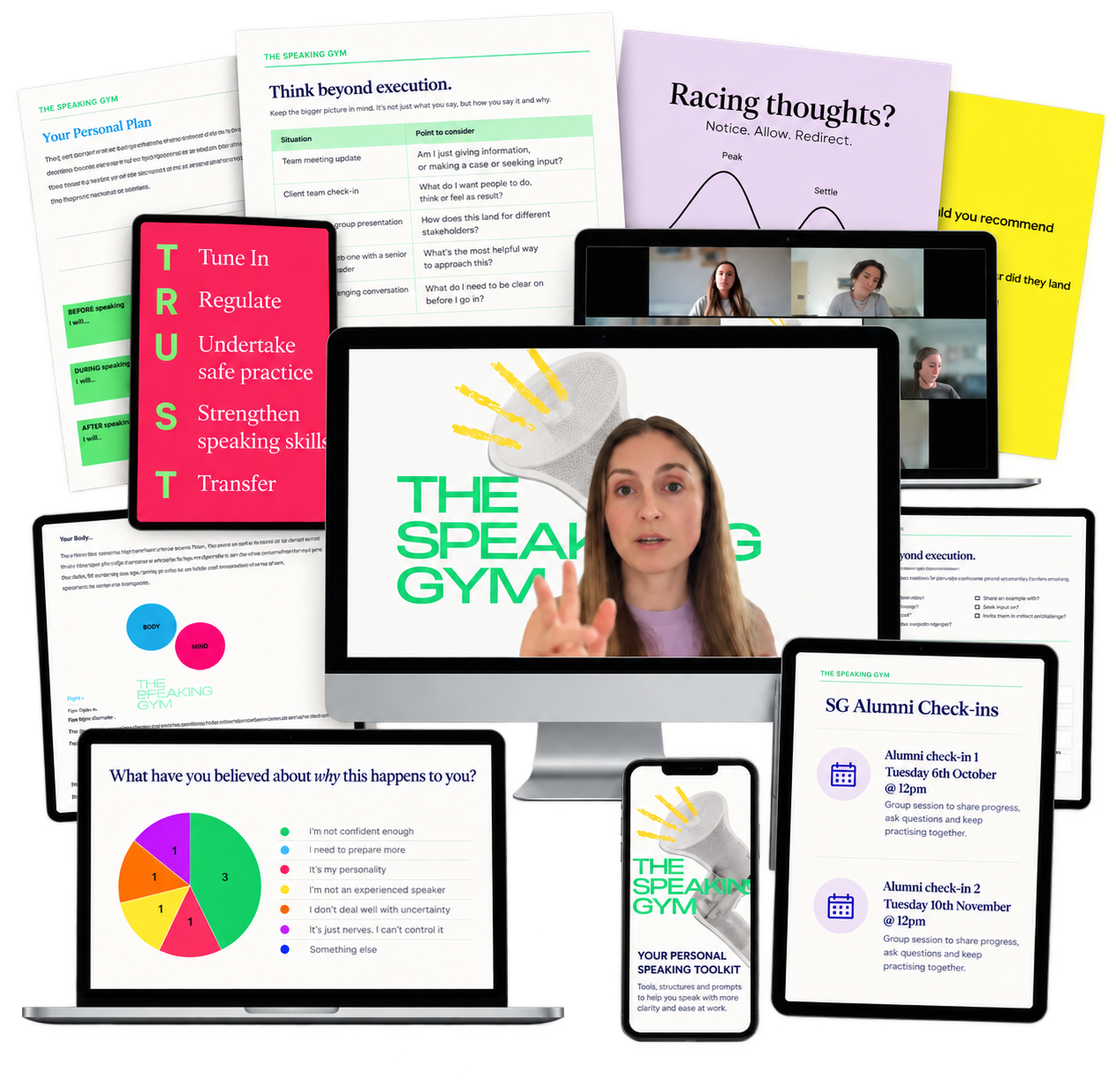
A 9-week live small-group programme to help experienced professionals handle their nerves and anxiety when speaking at work
What we Work
on Inside
The Speaking Gym
STOP FEELING LIKE THE NERVES ARE IN CHARGE
When Your Body Reacts
When your heart starts racing, your face feels hot or your voice begins to shake, it’s easy for the reaction itself to become frightening. We’ll look at how nerves present for you and practise ways to steady yourself before, during and after speaking.
Walk Away With:
1.
Understand your triggers and how nerves show up for you
2.
Learn practical ways to steady yourself when they do
3.
Build a tested plan you can rely on before, during and after meetings & presentations
4.
Establish a regular practice that supports you beyond speaking
learn to Get out of your own head
Attention Under Pressure
When nerves kick in, your attention turns inward fast: Can they tell I’m nervous? Can they see me sweating? Am I rushing? The more attention goes onto monitoring yourself, the harder it becomes to stay with the conversation.
You’ll practise noticing those thoughts without getting completely pulled into them, and then learning to bring your attention back to what you’re doing.
Walk Away With:
1.
Ways to stop getting pulled into worried thoughts
2.
Tools to shift attention away from how you’re coming across
3.
Simple techniques to stay present and focused while speaking
4.
Practical ways to reset when you feel yourself starting to spiral
Get more comfortable speaking each week
Safe Practice Under Pressure
The Speaking Gym gives you a regular place to practise speaking with other people who experience similar nerves and anxiety.
It’s a small, supportive group where it’s okay to stumble, go blank, feel ridiculously nervous and try again, but where there’s still enough pressure for the practice to feel real.
Walk Away With:
1.
Weekly practice speaking with the nerves still there
2.
A chance to test the tools and find what genuinely works for you
3.
More ease with being put on the spot, interrupted or losing your train of thought
4.
Real evidence that you can recover, continue and handle yourself
organise your thoughts and land your point
Applied Communication Skills
You’ll learn simple frameworks for organising your thoughts, answering questions, giving updates, making recommendations and handling pushback.
Each week, you’ll practise using them with the group, test which ones work best for you, and use them in your real work situations.
Walk Away With:
1.
Simple frameworks to organise your thoughts clearly
2.
Structures for answering questions, giving updates and proposing an idea
3.
Techniques for communicating with senior people and handling pushback
4.
Structures you’ve tested and adapted to your own style
Build a plan you can keep coming back to
Your Personal Speaking Toolkit
Throughout the programme, you’ll try a range of practical tools, from grounding & breathing techniques to mindset prompts, reflection & ways to prepare differently, and notice what actually helps you.
By the end, you’ll bring those pieces together into your own personal plan so that you feel equipped to handle future situations at work.
Walk Away With:
1. A clearer sense of what helps you feel and function at your best
2. Your own go-to tools for before, during and after difficult speaking situations
3. A simple personal plan for what supports you day to day and week to week
4. A toolkit you can keep using and adapting long after the programme ends
Imagine speaking taking up less space in your life
because you Know what to do when the nerves kick in
and...
trust yourself to handle it even when it doesn’t go to plan
you...
can stay focused enough to think, respond,
and get your point across
WITHOUT...
losing days of your precious time and energy worrying about and preparing for meetings
Speaking at work becomes part of your job again - not the thing you dread most about it.
Get your time and headspace back
Stop organising your week around the next meeting, presentation or difficult conversation. There’s more room for the rest of your work, and the rest of your life.
STOP SEEING THIS AS YOUR SECRET FAILING
There’s huge relief in knowing other capable, experienced people feel this too, and that it’s something you can learn to handle.
Stop letting speaking decide what you say yes to
Go for the role, the opportunity or the next step you actually want, without automatically ruling yourself out because it will involve more visibility.
We know this takes time to practise and embed
So we’ve included a little extra support along the way to help you make sense of what’s coming up, keep practising what works, and keep building on your progress.
Get clear on what you need most from the programme
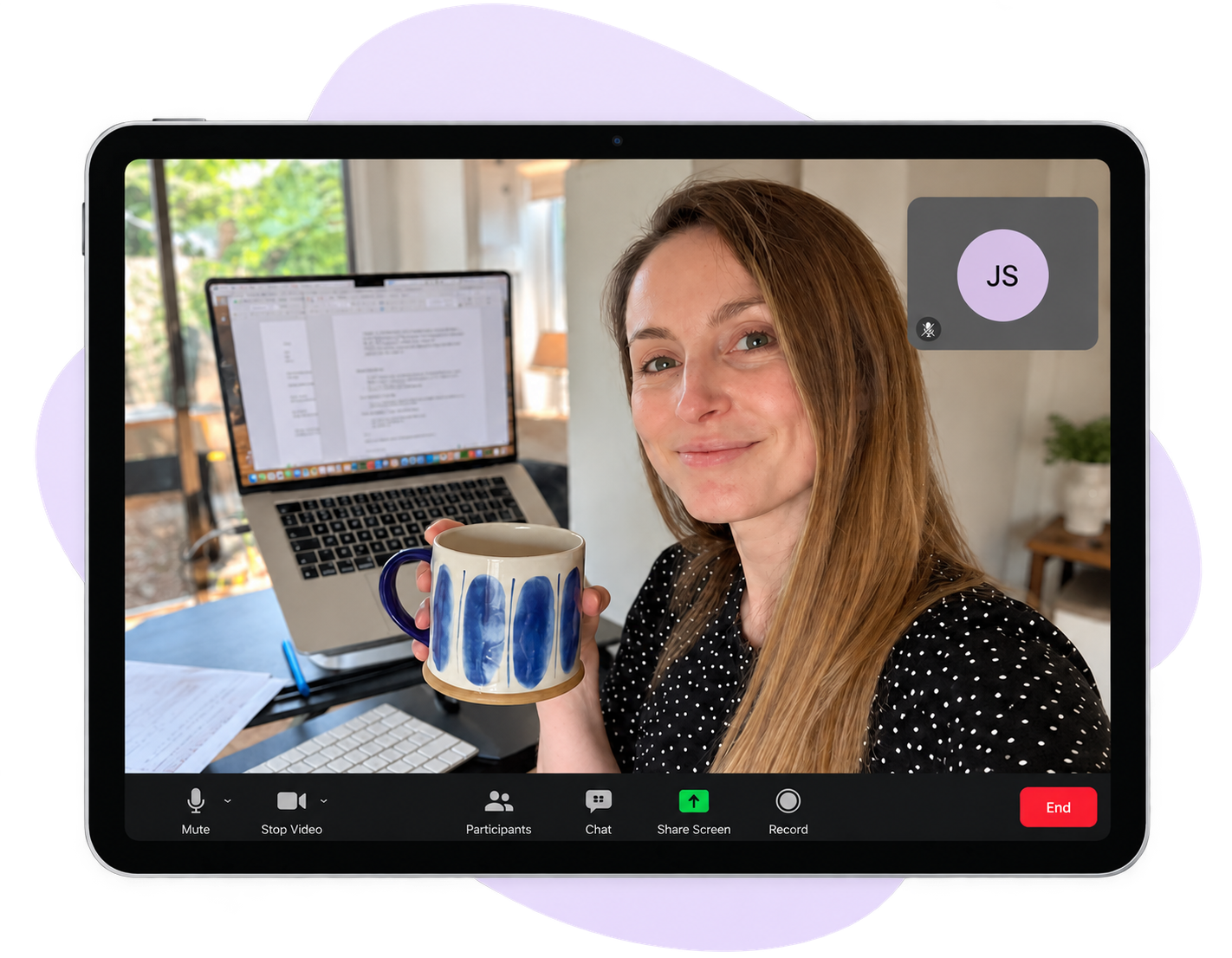
A private check-in after Session 1
A one-to-one space to talk through what came up for you in the first session, your main takeaways, and what you want to focus on so you can get the most from the programme.
Keep building on your progress after week nine
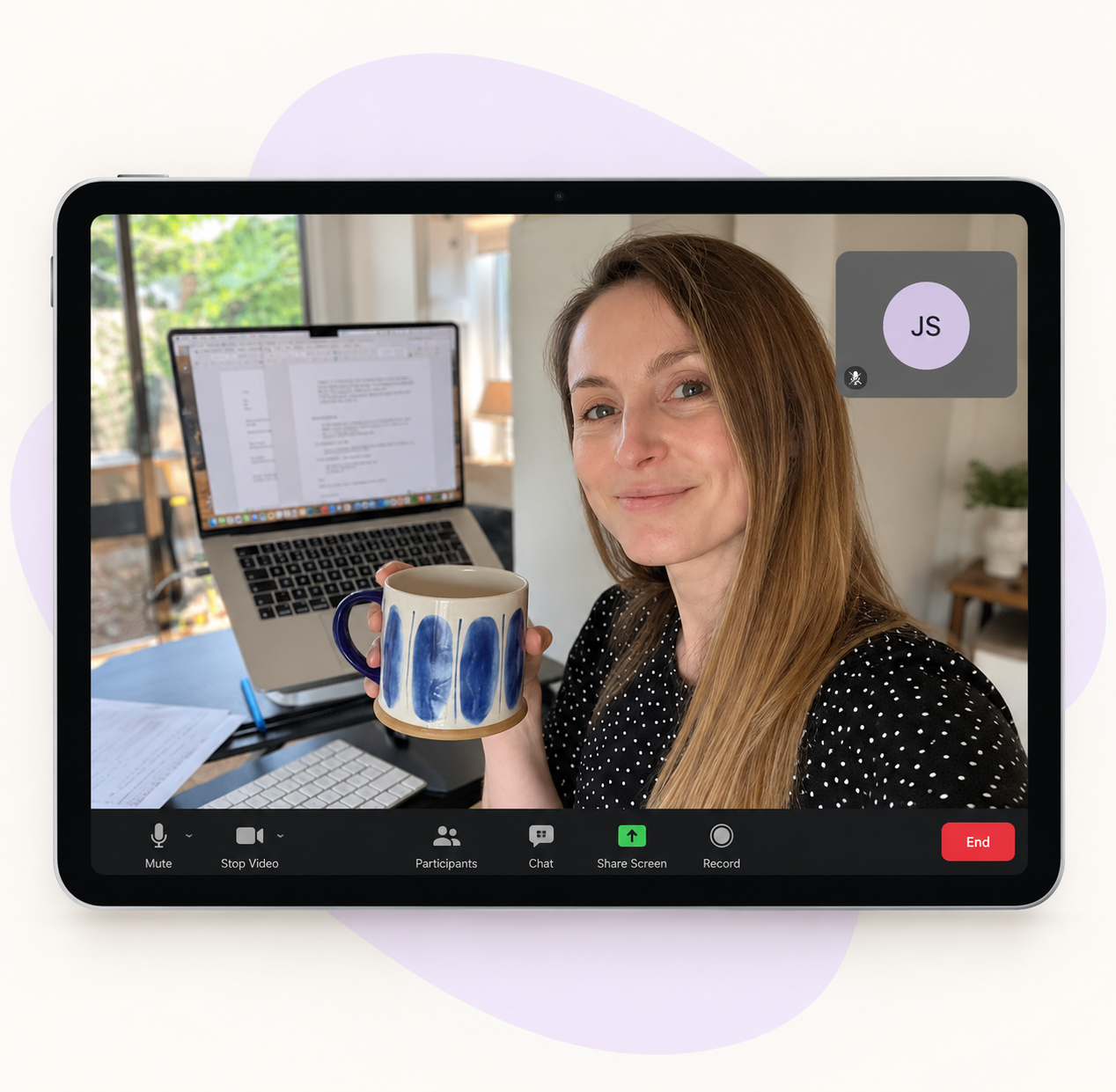
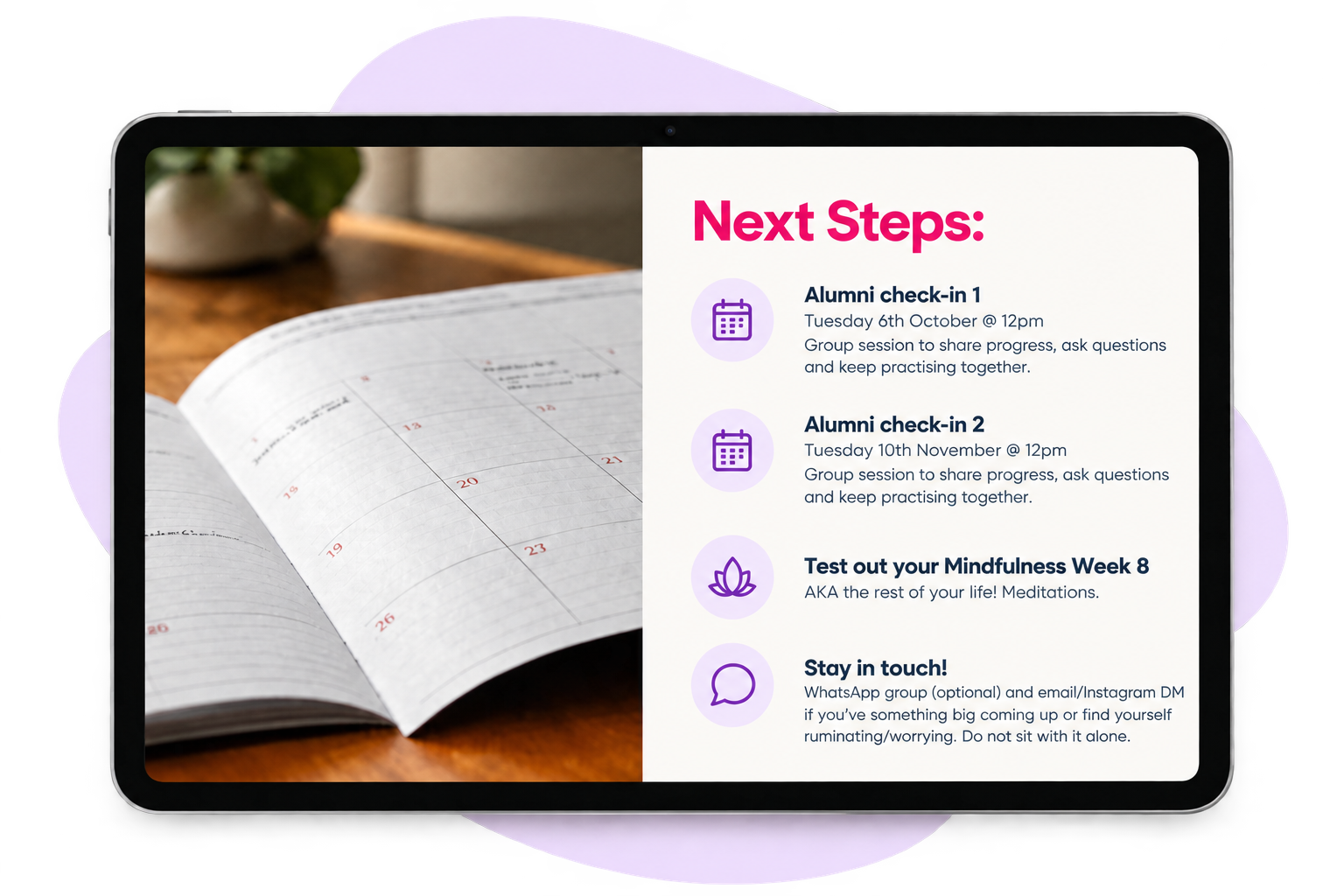
Continued group support for two
months
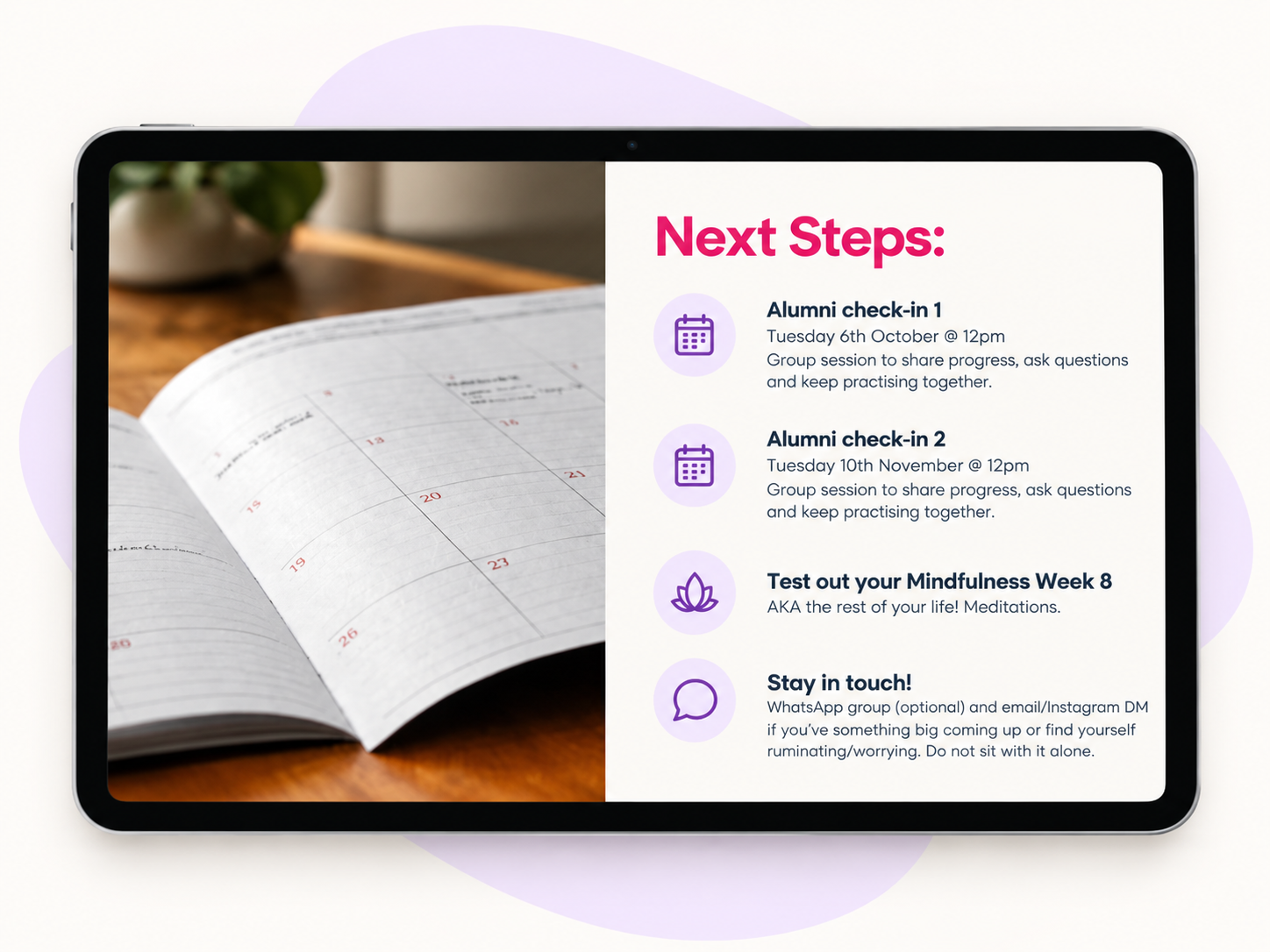
For two months after the programme, you’ll be invited back for monthly group check-ins and practice sessions to review what’s working, talk through anything challenging that’s come up at work, and decide what to focus on next - so you can keep practising and building on the progress you’ve made.
Step 1: Book A Call
Choose a time that suits you for a short introductory Zoom call. There’s no commitment, just a chance to see if The Speaking Gym could be right for you.
Step 2: We’ll Talk
We’ll talk through the programme, answer your questions, and make sure this is the right step for you.
Step 3: Secure Your Place
Pay your €500 deposit to confirm your spot in your chosen cohort.
Step 4: Onboarding
Before the programme starts, you'll be asked to complete a short pre-programme survey, and receive all the details for your first session.
Step 5: The 9 Weeks Begin
You'll join us for 9 weekly live sessions (2hr each week). You'll learn nervous system regulation, practice speaking in a safe environment, and build the tools to handle pressure.
Step 6: Post-Programme Support
After the 9 weeks, you'll have two monthly check-ins to consolidate your progress.
What a typical week looks like
Live Weekly Group Session
(2 hrs)
Learn practical techniques, practise speaking in a supportive small group, and receive coaching and feedback.
Daily Attention Practice
Build your ability to notice when you're getting caught up in worried thoughts or monitoring how you're coming across, and bring your attention back to what you're doing.
Put It Into Practice at Work
Try out what you're learning in everyday meetings and conversations, notice what helps, and bring your experiences back to the group to reflect and build on.
Does It Work?
At the beginning and end of the 9-week programme, we asked participants how they felt about the speaking situations they found most difficult. Here’s what changed.
Having tools to help manage their nerves
+140% improvement

Knowing how to organise their thoughts under pressure
+133% improvement

Feeling equipped to handle the speaking situations they find most challenging
+115% improvement

100%
would recommend The Speaking Gym to a friend or colleague who experiences similar nerves & anxiety
THE CORE PROGRAMME
WHAT’S INCLUDED
9 weeks of Live, Small-Group Training & Coaching
Practical Tools & Techniques for Handling Nerves & Anxiety
Weekly Coached Speaking Practice & Peer Feedback
Your Personal Speaking Toolkit & Action Plan
ADDITIONAL SUPPORT:
PRIVATE 1:1 CHECK-IN AFTER WEEK ONE
2 monthly follow-up group practice & progress sessions
YOUR INVESTMENT:
€2,500.00
PAYMENT PLAN AVAILABLE
Upcoming Cohort Dates
19 January – 16 March
Tuesdays · 2:00pm
22 April – 17 June
Thursdays · 9:00am
21 July – 15 September
Wednesdays · 4:00pm
All times Irish time
Interested in applying? Book a no-commitment call to see if The Speaking Gym is right for you
Our Commitment
TO YOU
We know that joining a programme like this can feel like a leap of faith.
We believe strongly in the methods and tools we use, and in what consistent practice can achieve.
If you attend every session, complete the practice and fully engage in the programme, but at the end of the nine weeks still don't feel more capable of handling your nerves when speaking at work, we'll continue to support you at no additional cost until you do.
Frequently Asked Questions
Before you talk yourself out of it
"Is now the right time?"
There are two versions of this question.
One is: "I'm genuinely too busy right now - I've got a major project/deadline/life event and I can't commit to weekly sessions and daily practice."
If that's true, then no - now isn't the right time. This work requires showing up consistently, and if you genuinely can't do that, it's better to wait.
The other version is: "I'm scared, and I'd rather wait until I feel more ready."
If that's what's happening, then the truth is: you'll never feel completely ready. And waiting won't make it easier - it'll just mean more weeks of dread, more lost sleep, more mental energy spent preparing and replaying.
The question isn't "Am I ready?" - it's "Am I willing?"
"I get so nervous about speaking, what if I'm too nervous for this?"
This programme is specifically designed for people who experience genuine anxiety around speaking - not people who are basically fine and want a bit of polish.
If you're worried you're "too nervous," you're probably exactly the person this is for.
The group is small (max 9 people), the environment is safe and supportive, and we start with low-stakes practice. You won't be thrown in the deep end. We'll meet you where you are.
"What if I can't make one of the sessions?"
Live participation is essential - this isn't a course you can watch in your own time. The work happens on the call, with the group, in real time.
That said, we understand life happens. Recordings are available for one-off absences, but you'll need to attend the majority of sessions to get the full benefit (and to qualify for the guarantee).
"Is this a group programme or one-to-one coaching?"
It's a small group programme (max 9 participants).
The group format is intentional - it helps you see you're not alone, learn from others' experiences, and practice in a safe, supportive environment. You'll still get personalized attention and coaching within the group setting.
If you're hesitant about the group format, we get it - but we've found that the group is often the most powerful part of the work. Seeing other senior, capable people struggle with the same thing is incredibly validating, reassuring and normalising.
"What's included in the €2,500?"
Nine weekly sessions of approximately 2 hours hosted on Zoom. Throughout the programme you'll build your own Personal Speaking Toolkit - a regulation plan that's specific to you (breathing, grounding, mindfulness and mindset tools tested and chosen by you), alongside practical communication structures and phrases you can reach for time and again. You leave with something concrete - a before, during and after plan that you've actually tested and know works for you. Monthly check-ins for two months after the programme ends.
Who's Behind This?
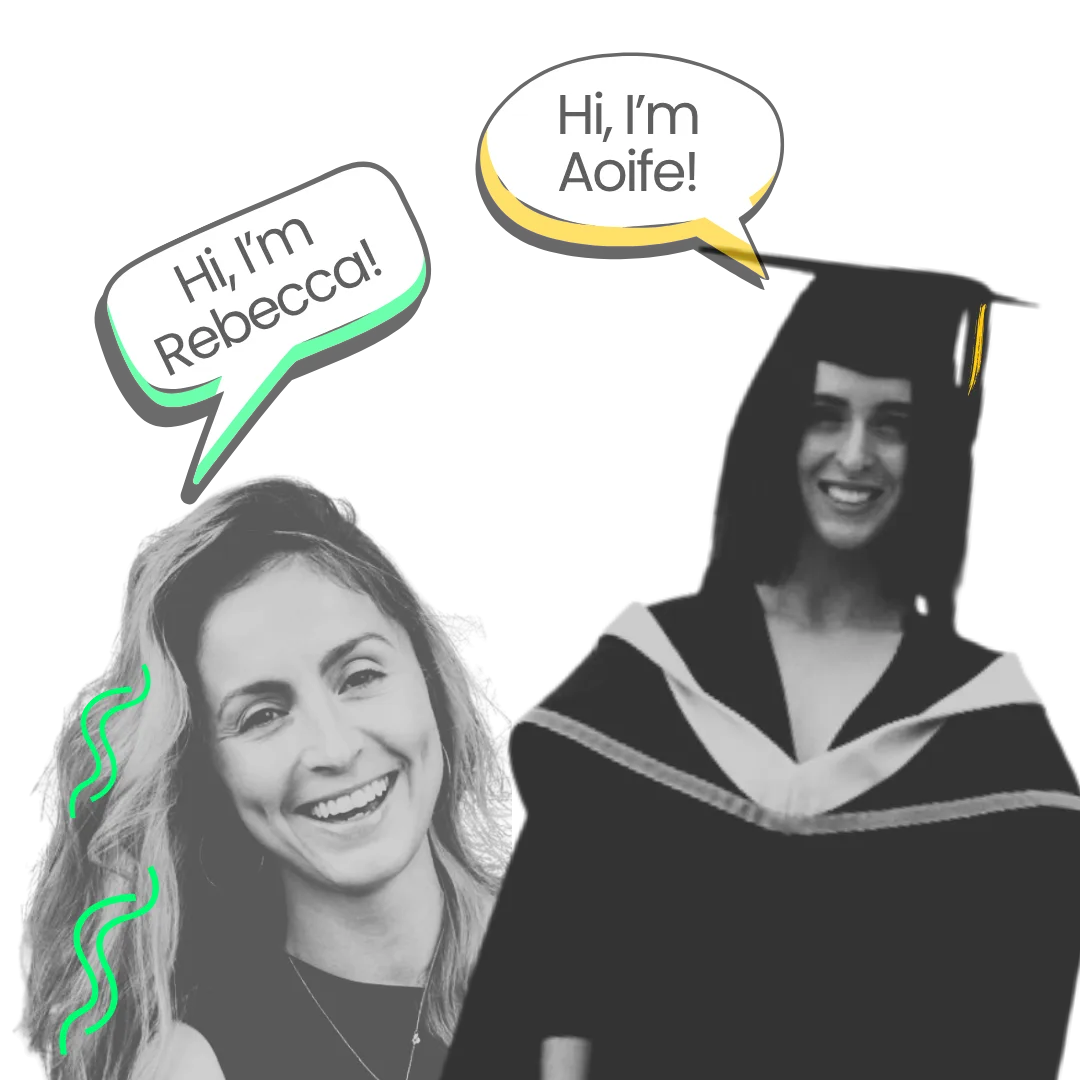
Built by people who get it
This programme was built by people who get it, who know exactly what it feels like to dread a meeting, lose their train of thought mid-sentence, or feel their body betray them when all eyes turn to them. Between us we have:
decades of experience working in communications
hold an MSc in Work and Organisational Psychology
which is what shaped how we built The Speaking Gym and where we went looking for answers.
Rebecca spent 12 years in communication and change consulting - helping organisations bring people with them through transformation, and working with leaders on how to explain complex strategies clearly.
Speaking with clients and presenting was part of her role. She would have said she was fairly confident, always prepared well, and experienced normal nerves, never anything debilitating. Then during COVID something changed. Mind blanks started happening, seemingly out of nowhere. She starting scripting everything, over-preparing for meetings, trying everything and anything she thought would help. It got worse – to the point that she had a panic attack before a presentation. She was mortified, she worked in comms after all. She barely mentioned she was going through this at work.
She went looking for answers and found the same advice everywhere – know your content thoroughly, drink water, slow down. Advice built for normal nerves, not for what she was experiencing. So she went further, into psychology and into how the nervous system actually works under threat, andgradually pieced together an approach that helped her manage it.
For a long time, she didn't talk about it. Then she started sharing her experience publicly and the response stopped her in her tracks. So many people were dealing with exactly the same thing, privately, assuming they were the only one. She couldn't get over it. Why is nobody talking about this? And why aren't these tools being taught at work? The Speaking Gym is her answer to both.
Aoife began her career in people-focused roles within the tech industry before moving into consulting. Her work now spans communication, people, and organisational change, alongside designing learning and development programmes. She is trained in psychometric assessment tools and has a particular interest in the psychology behind how people think, communicate, and perform at work.
That interest was shaped, in part, by her own experience.
From college onwards, Aoife experienced intense physical symptoms around speaking and being put on the spot. Her heart would race, her face would flush severely, she would get pins and needles in her hands and arms, and her mind would become full and cloudy. She always felt far more comfortable expressing herself through writing than speaking.
Despite performing well academically and professionally, the moment attention turned towards her, she often felt unable to access her thoughts clearly or articulate herself the way she wanted to. She coped by over-preparing, avoiding visibility, staying quiet in meetings, or deferring to others even when she knew she had something valuable to contribute.
For years, she assumed it was simply part of her personality. Over time, she became increasingly aware of how overlooked this experience is, particularly in high-achieving professionals. Speaking difficulty is often dismissed as simple nerves or something people grow out of. But when it goes unaddressed, it often compounds.
Together, she and Rebecca came to believe that much of the traditional advice on communication simply does not work for everyone. The Speaking Gym was founded on the understanding that difficulties with speaking are far more common than most people realise, often carrying a significant physical and cognitive toll. With the right support, understanding and practical tools, those difficulties can be managed and improved rather than endured in silence.